When it comes to professional communication, you often only need one powerful idea – but it needs to be a good one.
A little while ago, someone asked me how I structure my keynote presentations – how do I decide on the themes I build them around? The truth is, I don’t have a dozen themes. I have one. It’s a single idea that has shaped how I think about business, leadership, and life.
It came to me many years ago in a place far removed from boardrooms or strategy offsites: a refugee camp in northern Uganda.
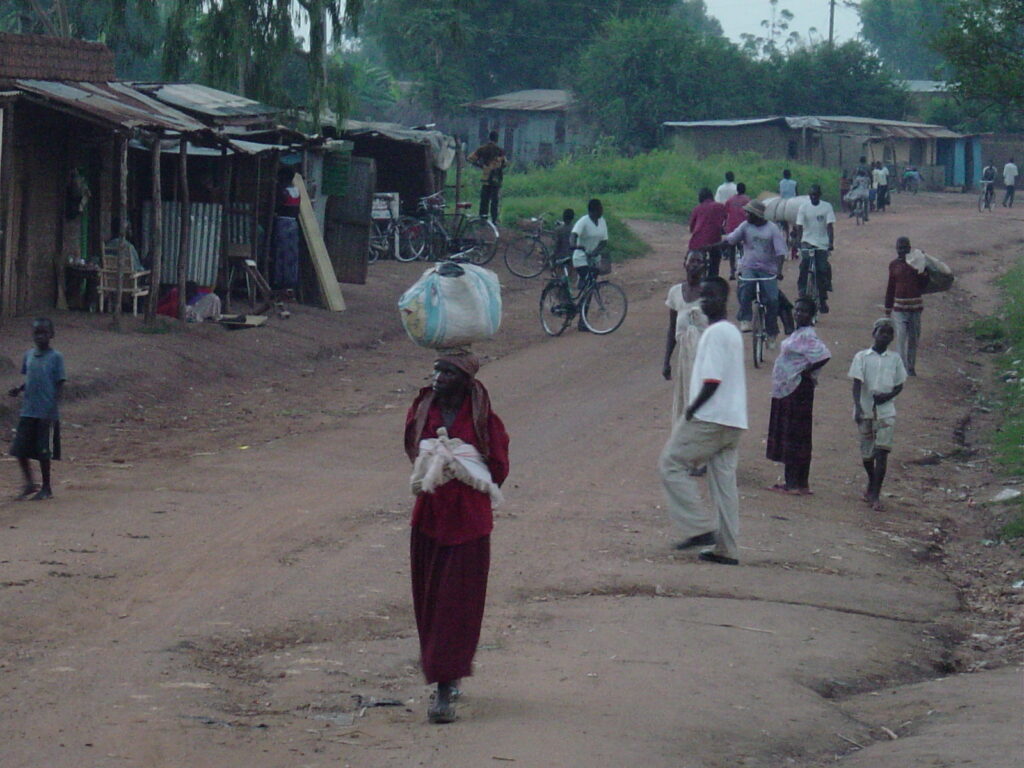
Many years ago while reporting in Africa, I witnessed an event that made me reassess exactly what it means to have a good life. I’d been visiting a refugee camp in Northern Uganda, which at the time was a hotspot for activity of the Lord’s Resistance Army (LRA) under its leader, Joseph Kony.
As we made our way back to Gulu (the regional centre) that evening, I noticed dozens of people walking into town. The longer we drove, the more the numbers increased, even as the light faded.
These were the “Night Commuters.” Each evening, they faced an impossible choice: stay on their farms and risk abduction or attack or walk for hours into Gulu to sleep in makeshift community shelters, then return home the next morning. Neither option was good. But one offered a better chance of safety.
Neither choice was a ‘good’ choice, but it was easy to see why they chose one over another.
As a journalist, I’d spent much of my career reporting on businesses that struggled – or failed – to adapt. Many didn’t collapse because they made spectacularly bad decisions. They collapsed because they made no decisions at all. They delayed. They hoped. They waited. And as time passed, their choices narrowed. Eventually, they were left with a bleak version dilemma: “Do we end it today, or do we end it tomorrow?”
The key difference, of course, is that the Night Commuters’ situation was imposed on them by circumstance. The businesses, on the other hand, created their own lack of options through inaction.
The choices we make today shape the choices available to us tomorrow. Failing to choose isn’t neutral – it’s a decision with consequences.
Leaders who act early, thoughtfully, and decisively keep more doors open. Those who stall or hesitate often find themselves backed into a corner with only bad options remaining.
The ability to make good decisions isn’t luck. It’s a skill – one built on gathering and synthesising information, weighing risk, and acting before the window narrows. It’s something individuals and organisations can learn. And it’s something they must learn if they want to thrive over time.
Because in business, as in life, the most dangerous place to be is where the only choices left are the ones you never wanted to make.
And this is what I talk about in keynote presentations.